|
|
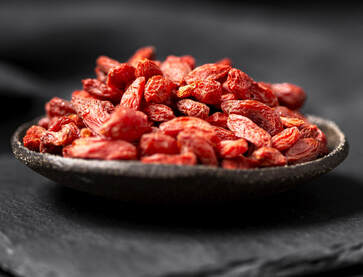 Are you looking to supercharge your morning routine with a nutritious boost?
Look no further than goji berries – the tiny but mighty fruit that packs a powerful punch of health benefits. Adding goji berries to your breakfast not only enhances the flavor and texture of your meal but also offers a plethora of nutritional advantages that can contribute to your overall well-being. Rich in Nutrients: Goji berries are bursting with essential vitamins, minerals, and antioxidants that are vital for maintaining optimal health. These vibrant red berries are particularly high in vitamin C, vitamin A, iron, and fiber. Incorporating them into your breakfast can help fortify your immune system, support healthy digestion, and promote glowing skin. Antioxidant Powerhouse: One of the most remarkable qualities of goji berries is their antioxidant content. These berries are loaded with potent antioxidants such as zeaxanthin, beta-carotene, and flavonoids, which help combat oxidative stress and protect your cells from damage caused by free radicals. By starting your day with a dose of antioxidants from goji berries, you can bolster your body's defenses against aging, inflammation, and chronic diseases. Eye Health: Goji berries are a powerhouse of nutrients that promote eye health. Rich in antioxidants like zeaxanthin, these berries protect the eyes from harmful UV rays and oxidative stress, reducing the risk of age-related macular degeneration and other vision disorders. Immune System Support: Goji berries contain healthy antioxidants known for their immune-boosting qualities and their ability to fight harmful free radicals and inflammation. With high levels of vitamins A and C, these berries play a vital role in building immunity and preventing illnesses, ranging from the common cold to cancer. Cancer Protection: The high levels of antioxidants in goji berries, including vitamin C, zeaxanthin, and carotenoids, make them effective in fighting cancer cells. These antioxidants slow tumor growth, reduce inflammation, and help remove harmful substances from the body. Research suggests that goji berries may inhibit tumor growth and enhance the effectiveness of cancer treatments. Promotes Healthy Skin: Beta-carotene, found in abundance in goji berries, is essential for promoting healthy skin. Incorporating goji berries into your breakfast can help nourish your skin from within, giving you a radiant and youthful complexion. Mood Enhancement and Liver Health: Studies suggest that goji berries may improve mood, reduce anxiety, and enhance sleep quality. Additionally, research indicates that these berries can prevent liver damage and aid in managing liver health, making them a valuable addition to your morning routine. In conclusion, incorporating goji berries into your breakfast is a simple yet effective way to boost your nutrition and elevate your morning routine. From enhancing your immune system and protecting your eyes to promoting healthy skin and supporting overall well-being, these tiny superfruits offer a multitude of benefits that can set the tone for a vibrant and energized day ahead. \ So why wait? Start reaping the rewards of goji berries and embark on a journey towards a healthier and happier you!
0 Comments
20/2/2024 0 Comments Harnessing Nature's Power: 6 Kitchen Herbs and Spices with Cancer-Protective Qualities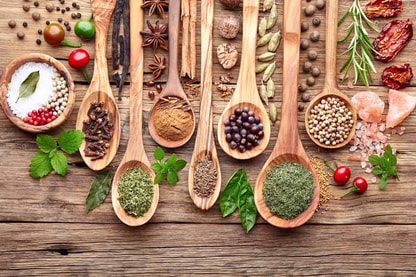 In recent years, there has been a growing interest in natural remedies and preventive measures for various health concerns, including cancer.
While no single food or herb can guarantee immunity, certain kitchen herbs and spices have shown promising cancer-protective qualities. In this article, we'll explore six readily available kitchen herbs and spices that are not only flavorful but also offer potential benefits in the realm of cancer prevention. 1) Turmeric: Known for its vibrant golden hue and distinctive flavor, turmeric contains a powerful compound called curcumin. Curcumin has been extensively studied for its anti-inflammatory and antioxidant properties, which may contribute to its potential cancer-fighting abilities. Some studies suggest the curcumin in turmeric has a variety of health benefits, including fighting cancer cells. Some lab studies have found it might work against lung, breast, prostate, and colon cancers. Others suggest that curcumin might help chemotherapy work better. Consider incorporating turmeric into your dishes, such as curries, soups, or golden milk. 2) Garlic: A staple in many kitchens worldwide, garlic not only enhances the taste of your meals but also boasts numerous health benefits. Allicin, a sulfur-containing compound found in garlic, has been linked to anti-cancer properties. In vitro studies demonstrated that allicin and its secondary metabolites play an antitumor role by inhibiting tumor cell proliferation, inducing apoptosis, controlling tumor invasion and metastasis, decreasing angiogenesis, suppressing Helicobacter pylori, enhancing the efficacy of chemotherapeutic drugs, and reducing the damage caused by chemotherapeutic drugs. In vivo studies further demonstrate that allicin and its secondary metabolites inhibit cancers of the digestive system. Garlic is versatile and can be used in various dishes, from pasta sauces to roasted vegetables and dips. 3) Ginger: Ginger (Zingiber officinale) is one of the most widely used natural products consumed as a spice and medicine for treating nausea, dysentery, heartburn, flatulence, diarrhea, loss of appetite, infections, cough, and bronchitis. Renowned for its digestive benefits and aromatic flavor, ginger also harbors potential cancer-protective qualities in addition to having anti-inflammatory and antioxidant effects. Experimental studies showed that ginger and its active components including 6-gingerol and 6-shogaol exert anticancer activities against GI cancer. Add grated ginger to teas, stir-fries, or even incorporate it into smoothies for a refreshing twist. 4) Rosemary: Beyond its delightful fragrance and ability to elevate the flavor of roasted meats and vegetables, rosemary may offer cancer-preventive properties. This herb contains rosmarinic acid and carnosol, compounds that exhibit antioxidant and anti-inflammatory effects. Rosemary and its extracts can prevent the growth of cancer cells as well as tumours in many types of cancers such as colon, breast, liver and stomach. Carnosol, carnosic acid, ursolic acid, and rosmarinic acid are other bioactive compounds identified in these extracts. Marinate your meat with rosemary before cooking. The antioxidants can help to neutralise carcinogenic compounds known as heterocyclic amines (HCAs) that form when meat reaches temperatures of 200C degrees or higher. Note: I never cook with temperatures over 200C. My go to oven temperature is 170-180C degrees. Rosemary can be added in marinades, dressings, or infused oils. 5) Oregano: Oregano is also a potent herb with potential cancer-fighting properties. Rich in antioxidants, oregano contains compounds like carvacrol and thymol, which have been studied for their anti-inflammatory and anti-cancer effects. Carvacrol alone shows the potential to target cancerous cells and significantly deter the growth of cancer cells; this is a targeted method. It offers anti-inflammatory effects by decreasing oxidative stress, primarily targeting ER and mitochondria. Carvacrol depicts targeted explicitly ROS dependent and mitochondrial-mediated apoptosis in different cancer cells. Moreover, carvacrol significantly regulates the cell cycle and prevents tumor progression. Few reports also suggest its significant role in inhibiting cell migration, invasion, and angiogenesis in tumor cells. Hence, carvacrol affects cell survival and cell-killing activity by targeting key biomarkers and major signaling pathways, including PI3K/AKT/mTOR, MAPK, STAT3, and Notch. Use fresh or dried oregano in salads, pasta dishes, or sprinkle it on roasted vegetables. 6) Cinnamon: Beyond its sweet and warming flavor, cinnamon has gained attention for its potential health benefits. Cinnamaldehyde, the active compound in cinnamon, exhibits antioxidant and anti-inflammatory properties. Additionally, research has shown that cinnamaldehydes have an effect that inhibits the invasion and metastasis of cancer cells. This class of compounds was investigated for their possible application in the treatment of cancers, such as leukaemia, colon, hepatocellular carcinoma, prostate, mouth, and breast cancers. Sprinkle cinnamon on your oats, yogurt, or apples for a delightful and potentially healthful touch. While incorporating these kitchen herbs and spices into your meals won't guarantee protection against cancer, they can be valuable additions to a well-rounded, health-conscious lifestyle. I always advise that to be able to reap the therapeutic benefits of herbs and spices, they should be drunk as potent infusions or used as essential oils. Maintaining a balanced diet, rich in a variety of fruits, vegetables, herbs, and spices, is key to supporting overall health. Embrace the diverse flavors and potential health benefits these kitchen additions bring to your meals, making your culinary journey a step towards a healthier, more vibrant life. As always, it's essential to consult with healthcare professionals for personalized advice.  In the hustle and bustle of daily life, snacking has become an integral part of our routines. Whether it's the mid-morning munchies or the late-night cravings, we often turn to quick and convenient snacks to satiate our hunger. However, there's a lurking concern: could our snacking habits be contributing to unwanted weight gain? The answer might lie in the types of snacks we choose, particularly those falling under the category of ultra-processed foods. These snacks, laden with sugar, white flour, trans fats, and hydrogenated fats, can have a significant impact on our waistlines and overall health. 1. The Sugar Trap: One of the primary culprits in many ultra-processed snacks is refined sugar. From candies to sugary beverages, these treats provide a quick energy boost but come with a downside. Excessive sugar consumption can lead to insulin resistance, making it easier for the body to store fat. Moreover, the spike in blood sugar levels followed by a crash can leave us feeling lethargic and craving more sugary delights. 2. White Flour Woes: Ultra-processed snacks often contain refined white flour, devoid of the fiber found in whole grains. This refined flour can cause rapid spikes in blood sugar, similar to the effects of sugar. Additionally, the lack of fiber fails to provide a sustained feeling of fullness, leading to overeating and a higher calorie intake. 3. Trans Fats and Hydrogenated Fats: Trans fats, commonly found in many processed snacks, have been linked to an increased risk of heart disease and obesity. These fats not only contribute to weight gain but also pose serious threats to cardiovascular health. Hydrogenated fats, often used to enhance the shelf life of snacks, can wreak havoc on cholesterol levels, leading to adverse health effects. 4. Temptations in the Form of Chocolates, Crisps, and Biscuits: While these indulgences are undeniably delicious, they are often high in unhealthy fats, sugars, and empty calories. Consuming them regularly can easily tip the balance of our calorie intake, pushing it beyond what our bodies need for sustenance. 5. Beware of Processed White Bread and Crackers: Often disguised as convenient and light snack options, processed white bread and crackers lack the nutritional benefits offered by their whole-grain counterparts. These snacks can cause rapid spikes in blood sugar, leaving us feeling unsatisfied and prompting further snacking. 6. Sweets and Hidden Calories: Sweets, including candies and other sugary confections, may seem harmless in small quantities. However, they pack a punch of hidden calories that can add up quickly, contributing to weight gain over time. Additionally, the lack of nutritional value in these treats leaves our bodies craving more to meet essential nutrient requirements. Breaking the Cycle: As a Holistic Nutritionist, I emphasize the importance of mindful and health-conscious snacking. Opting for whole, minimally processed foods such as fruits, nuts, seeds, and vegetables can provide the body with essential nutrients and sustained energy without the drawbacks associated with ultra-processed snacks. By choosing snacks rich in fiber, vitamins, and minerals, we can support our overall health and maintain a healthy weight. It's essential to listen to our bodies, recognizing true hunger and nourishing ourselves with foods that contribute to our well-being. In conclusion, while snacking is a natural part of our daily lives, the choices we make can significantly impact our health and weight. Steering clear of ultra-processed snacks and opting for nutritious alternatives can be a game-changer in achieving a balanced and sustainable approach to snacking and overall well-being. Online Health and Nutrition Coaching:  The festive season often brings joy, celebration, and, unfortunately, a bit of extra weight. If you find yourself post-holiday wanting to shed those indulgent pounds and regain focus on your health journey, here are four holistic tips to help you reset and embrace a healthier you. Hydration and Detoxification: Start your post-holiday reset by prioritizing hydration. Infuse your days with water, herbal teas, and detoxifying liquids to flush out excess salts and toxins accumulated during the festive feasts. Opt for refreshing beverages like lemon water or green tea to support digestion and kickstart your metabolism. Balanced Nutrition: Realign your diet with nutrient-dense, whole foods. Incorporate a colorful array of fruits and vegetables to boost essential vitamins and minerals. Aim for lean proteins, whole grains, and healthy fats to provide sustained energy and keep cravings at bay. Consider a gentle, short-term cleanse to jumpstart your body's natural detoxification process. Mindful Movement and Exercise: Reignite your fitness routine with mindful movement. Engage in activities that you genuinely enjoy, whether it's a brisk walk, yoga, or a fun dance session. Consistency is key, so find an exercise routine that fits seamlessly into your daily life, helping you burn calories and elevate your mood. Mind-Body Connection: Nurture your mental well-being by embracing mindfulness practices. Stress and emotional eating often accompany holiday indulgences. Incorporate meditation, deep breathing exercises, or journaling to reconnect with yourself and cultivate a positive mindset. This holistic approach can empower you to make mindful choices and avoid impulsive decisions regarding your diet. The Importance of Immediate Action: In the pursuit of post-holiday wellness, procrastination is the enemy. Cultivating qualities such as discipline, determination, and dedication is essential. Begin your journey to a healthier you today. Small, consistent efforts compound over time, creating lasting change. Embrace the opportunity the new year brings to develop these character qualities and witness the transformative impact on your overall well-being. Remember, the journey to reclaiming your health is a marathon, not a sprint. By incorporating these holistic tips and fostering essential character qualities, you're setting the stage for a vibrant and energized new you. Cheers to a healthier, more balanced year ahead!   Introduction:
In recent years, there has been a growing interest in exploring the link between diet and mental health. As a holistic nutritionist, I often encounter clients who wonder whether certain foods, particularly bread, could be contributing to their feelings of depression. In this article, we will delve into the complex relationship between bread consumption and mental health, examining both the potential connections and the broader context of dietary influences on emotional well-being. Understanding the Basics: Bread, a dietary staple for many cultures, is a source of carbohydrates, fibre, and various essential nutrients. Carbohydrates, in particular, play a crucial role in serotonin production, a neurotransmitter associated with mood regulation. While the body needs a balance of nutrients for optimal functioning, it's essential to consider the quality and quantity of the bread consumed. Refined vs. Whole Grain: The type of bread matters. Refined white bread has undergone significant processing, leading to a loss of nutrients and fibre. On the other hand, whole grain bread retains more of its nutritional value, providing a steady release of energy and supporting overall health. The Glycemic Index Factor: The glycemic index (GI) measures how quickly a particular food raises blood sugar levels. Foods with a high GI, such as refined white bread, can cause rapid spikes and crashes in blood sugar, potentially impacting mood and energy levels. Blood Sugar and Mood: Fluctuations in blood sugar levels can influence mood swings, irritability, and fatigue. Choosing lower GI options, like whole grain bread, may contribute to more stable blood sugar levels and a more balanced emotional state. Gluten Sensitivity and Beyond: For some individuals, the focus goes beyond the type of bread to the presence of gluten, a protein found in wheat and other grains. Gluten and Mental Health: While the majority of people can consume gluten without issue, some may experience gluten sensitivity or celiac disease, conditions associated with various physical and mental symptoms. In some cases, addressing gluten-related issues could positively impact mood. The Gut-Brain Connection: Microbiome Influence: Emerging research highlights the intricate relationship between the gut and the brain. The gut microbiome, composed of trillions of microorganisms, plays a role in nutrient absorption and neurotransmitter production. An imbalance in the gut flora may contribute to mood disorders. Practical Tips for a Balanced Approach: Diversify Your Diet: Rather than fixating on a single food item, focus on maintaining a varied and balanced diet that includes a range of nutrients from different sources. Choose Whole Foods: Opt for whole grain breads, rich in fibre and nutrients, over their refined counterparts. These choices can contribute to sustained energy levels and overall well-being. Monitor Your Body's Response: Pay attention to how your body reacts to different foods. Keep a food journal to identify patterns between your diet and mood fluctuations. Conclusion: While it's tempting to pinpoint a single food item as the cause of depression, the relationship between diet and mental health is multifaceted. Bread, when chosen wisely and consumed as part of a balanced diet, can be a valuable source of nutrients. However, individual responses vary, and factors such as the type of bread, glycemic index, gluten sensitivity, and the gut-brain connection should be considered. As a holistic nutritionist, my approach is to encourage mindful eating, considering the broader context of one's diet and lifestyle for optimal mental and physical well-being.  The ocean contains rich sources of many nourishing substances that are high in essential minerals, the 43 trace minerals, chlorophyll, iodine, protein, essential fatty acids, vitamins and much more.
Iodine is essential for the thyroid gland. It stimulates the parathyroid glands making it easier to absorb the calcium in the seaweed needed to nourish bones and leg joints. This is one reason kelp is good for arthritis sufferers. The darker sea vegetables contain alginic acid which converts heavy metals in the body into harmless salts that are easily discharged. Kombo, wakame, hijiki and kelp are the dark sea vegetables. Research at McGill University, Canada has found that the dark sea vegetables can even remove radioactive Strontium-90 from the body. Medical doctors in Nagasaki, Japan, in attempting to treat radiation-poisoned victims, following the dropping of the atomic bomb in 1945, saved many of their patients by administering a diet of miso soup, brown rice, and sea vegetables. The Canadian Medical Association Journal also reported the importance of different marine algae in preventing absorption of radioactive products, as well as in their use as possible natural de-contaminators. Kelp comes in tablet, powdered and liquid forms and it is recommended for arthritis and thyroid malfunction, and is good in aiding in protection from chemotherapy, radiation, and x-rays. Seaweed contains calcium phosphate making it good for brittle bones common in osteoporosis. The calcium, iodine, and sodium alginate in seaweed also serve as buffers against cancer. Seaweed may also be an important factor in the low rates of certain cancers in Japan. In 1974, the Japanese Journal of Experimental Medicine reported scientists had found several varieties of kombu that were effective in the treatment of tumours. Ten years later, a Harvard University Medical Centre researcher reported that eating a diet of 5% kombu, significantly delayed the inducement of breast cancer in animals. Other experiments on mice with leukaemia, in which sea vegetables were used in the treatment regimen, showed great promise. The high content of potassium in seaweed is good for the heart, kidneys, and in weight loss. The iodine needed by the thyroid glands aid in weight loss also. Seaweed nourishes membranes making it good for nervous disorders, colds, constipation, and skin disorders. The edible seaweed, dulse, is one of the most nutritious, and is harvested off the shores of Nova Scotia and California. All 43 trace minerals are found in dulse. Dulse is good to use in soups, stews, casseroles and any dish you are preparing. My personal favourites are wakame, which is a long, dark green sea leaf. It can be added to salads, soups and pulse dishes. Another favourite is Nori, which comes in sheets and is toasted. You can use it to garnish noodles, rice, vegetables, make sushi rolls and so on. I use it as a wrap and fill it with avocado and salad. Nori is said to be good for prostate and thyroid problems. It is high in protein, vitamins B1, B2, B6, B12, and vitamins C and E. To sum up, incorporating seaweed into your diet, even in modest quantities, is a wise choice. Seaweed stands as a natural mineral-rich resource. You can begin by introducing it gradually into various dishes, such as soups. Personally, I relish miso soup paired with red rice or quinoa, a delightful combination worth trying. Barbara's Mouchendra / Lentil Dish with wakame  In today's fast-paced world, stress has become a prevalent issue that affects millions of people worldwide. When we experience stress, our bodies release the hormone cortisol as part of the "fight or flight" response.
While cortisol is essential for survival, chronically elevated levels can lead to a range of health problems, including anxiety, depression, and even heart disease. Fortunately, there are natural ways to manage stress and lower cortisol levels, including incorporating certain foods and herbs into your diet. In this article, we will explore the top six foods and herbs that can help reduce cortisol levels. Dark Chocolate Yes, you read that correctly – dark chocolate can be a stress-busting treat! High-quality dark chocolate with a cocoa content of 70% or more contains compounds that have been shown to reduce cortisol levels. One of these compounds is flavonoids, which have antioxidant properties and can promote relaxation by increasing blood flow and reducing inflammation. Remember to enjoy dark chocolate in moderation, as excessive consumption can lead to unwanted calories. Fatty Fish Fatty fish like sardines, salmon, mackerel, and trout are rich sources of omega-3 fatty acids, which have been linked to lower cortisol levels. Omega-3's help reduce inflammation and improve brain health, making them a valuable addition to your diet for stress management. Aim to include fatty fish in your meals at least twice a week to reap the benefits. Blueberries Blueberries are not only delicious but also packed with antioxidants and vitamin C, both of which have stress-reducing properties. Antioxidants help combat oxidative stress caused by high cortisol levels, while vitamin C is known for its immune-boosting and mood-enhancing effects. Snack on fresh blueberries or add them to your morning yogurt or with a handful of walnuts to help lower cortisol. Green Tea Green tea has long been celebrated for its health benefits, and one of them is its ability to reduce cortisol levels. It contains an amino acid called L-theanine, which promotes relaxation without causing drowsiness. L-theanine works synergistically with caffeine to improve focus and concentration while minimizing the jittery feeling often associated with coffee. Sipping on a cup of green tea can be a calming ritual in itself. Ashwagandha Ashwagandha is an adaptogenic herb that has been used in Ayurvedic medicine for centuries to combat stress and anxiety. Research suggests that ashwagandha can help lower cortisol levels by regulating the body's stress response. It also has a calming effect on the mind, making it a popular choice for individuals looking to manage stress naturally. You can find ashwagandha in various forms, including supplements and powdered root extracts. I add a teaspoon of powdered ashwagandha to my hot cocoa and make myself a super, stress busting afternoon beverage. Turmeric Turmeric, the bright yellow spice commonly used in curry dishes, contains an active compound called curcumin. Curcumin has powerful anti-inflammatory and antioxidant properties that can help reduce cortisol levels. Additionally, it may support brain health and enhance mood. Consider adding turmeric to your meals or consuming it as a supplement to experience its stress-relieving benefits. In conclusion, chronic stress can take a toll on our physical and mental well-being, but making thoughtful dietary choices can be a valuable tool in managing cortisol levels and promoting overall health. Incorporating dark chocolate, fatty fish, blueberries, green tea, ashwagandha, and turmeric into your diet can help you combat stress naturally and foster a sense of well-being. Remember that a balanced diet, regular exercise, and stress-reduction techniques like walking, meditation and deep breathing should all be part of your holistic approach to managing stress and maintaining a healthy cortisol balance. 15/9/2023 1 Comment The Nutritional Treasure Trove: Exploring the Vitamins and Minerals in Sweet PotatoesSweet potatoes are indeed a nutritional powerhouse, containing a variety of vitamins and minerals. Here are some of the key nutrients found in sweet potatoes:
Vitamin A: Sweet potatoes are exceptionally rich in beta-carotene, which your body converts into vitamin A. This nutrient is essential for maintaining healthy skin, vision, and a robust immune system. Vitamin C: Sweet potatoes are a good source of vitamin C, an antioxidant that supports your immune system, helps with collagen production, and aids in wound healing. Vitamin B6: This vitamin is important for brain development and function, as well as for helping the body convert food into energy. Potassium: Sweet potatoes are a good source of potassium, which is crucial for maintaining proper muscle and nerve function, as well as regulating blood pressure. Fiber: These root vegetables are high in dietary fiber, which can aid in digestion, promote a feeling of fullness, and help stabilize blood sugar levels. Manganese: Sweet potatoes contain manganese, which plays a role in bone formation, blood clotting, and reducing inflammation. Copper: Copper is involved in the production of collagen and red blood cells, and it helps maintain healthy bones and nerves. Iron: While sweet potatoes are not as iron-rich as some other foods, they still provide a small amount of this essential mineral, which is important for oxygen transport in the body. Magnesium: Magnesium is essential for muscle and nerve function, as well as bone health, and sweet potatoes contain a modest amount of this mineral. Phosphorus: Phosphorus is necessary for strong bones and teeth and plays a role in energy metabolism, and sweet potatoes provide some of it. Folate (Vitamin B9): Folate is crucial during pregnancy for proper fetal development and is also important for DNA synthesis and repair. Vitamin E: Sweet potatoes contain vitamin E, which is an antioxidant that helps protect cells from damage caused by free radicals. Including sweet potatoes in your diet can provide a range of health benefits due to these essential vitamins and minerals, making them a nutritious and tasty addition to your meals. Here's a Sweet Potato Fries recipe to try. Oven baked of course ! 30/8/2023 0 Comments dr paul kouchakoff's research: why we should all start our meal with a raw salad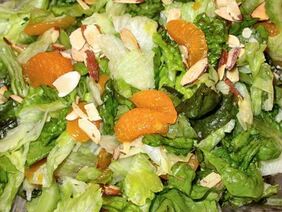 In the realm of nutritional science, few researchers have made as significant a contribution as Dr. Paul Kouchakoff, at the institute of Clinical Chemistry in Lausanne, in the 1930’s. His groundbreaking work on digestive leukocytosis has shed light on a previously unexplored aspect of the body's immune response to food. Dr. Kouchakoff's studies have revolutionized our understanding of how our immune system reacts to different dietary components and have profound implications for our overall health and well-being. The Discovery of Digestive Leukocytosis Dr. Paul Kouchakoff, a Swiss-born physician and researcher, embarked on a journey to explore the intricate relationship between food and the immune system. In the early 20th century, Kouchakoff conducted a series of experiments aimed at investigating how various foods triggered immune responses within the body. His most notable finding came in the form of digestive leukocytosis, a phenomenon in which the consumption of certain foods led to a temporary increase in white blood cell count in the bloodstream. The white blood cells (leucocytes) start rushing to the scene as soon as food enters the mouth. Leukocytes, commonly known as white blood cells, are an integral part of the immune system. They play a pivotal role in defending the body against harmful pathogens and foreign substances. Kouchakoff's studies revealed that when individuals consumed highly processed or refined foods, their white blood cell count surged, indicating an immune response to the ingested substances. Some of the worst offenders in their research were homogenized or pasteurized foods and preserved foods. Examples of these were milk, white flour, margarine, sugar, chocolate, and candy. Understanding the Mechanism Dr. Kouchakoff's research suggested that digestive leukocytosis was more pronounced in response to foods that were heavily processed, heated, or refined. This response, he theorized, was a result of the body's recognition of these altered food components as potential threats. In contrast, consuming whole, minimally processed foods led to a much milder immune response. Kouchakoff proposed that the body's reaction to processed foods was akin to its response to infection or injury, possibly placing a strain on the immune system over time. Implications for Health Dr. Kouchakoff's findings have significant implications for our dietary choices and overall health. His research points to the potential benefits of opting for whole, unprocessed foods over their refined counterparts. By doing so, individuals may be able to reduce the burden on their immune system, allowing it to focus on more pressing threats like infections and diseases. Furthermore, Kouchakoff's work underscores the importance of a balanced and diverse diet rich in nutrients. Consuming a variety of whole foods – including fruits, vegetables, whole grains, and lean proteins – may help mitigate excessive immune responses triggered by processed foods. This approach can contribute to long-term health by supporting immune function and reducing the risk of chronic diseases associated with inflammation. The implications of leucocytosis are that every time white blood cells rush to the intestines to deal with cooked food the rest of the body is left undefended. This puts a continual strain on the immune system. Kouchakoff found that when food is eaten raw… digestive leucocytosis does not occur. In addition, Leucocytosis does not occur if you eat something raw before you eat something cooked. Raw Foods leave the white blood cells free for other tasks and save the body the effort of a defensive action, thereby strengthening its resistance to disease. There are two ways to best combat digestive leukocytosis. The first, and most effective, is to eat live food with meals. There is debate as to how much live food needs to be eaten to prevent this reaction. Some say the evidence suggested as low as 10% and others say 50% of the meal needs to be live and uncooked. A secondary way to combat the elevation of white blood cells is to thoroughly chew one’s food. Either way the conclusion is that we must eat live foods with every meal. This research leads the to the conclusion that our habits of food preparation may be a large part of our health problems. If one is suffering from any immune malfunction (weak immune system or autoimmune disease) then it behoves that person to eat 50% live foods in their meals as well as take their time to chew their food. Modern Implications and Continued Research While Dr. Kouchakoff's research has laid a crucial foundation for understanding digestive leukocytosis, ongoing research in the field of immune-nutrition has expanded upon his findings. Scientists continue to investigate the intricate connections between diet, gut health, and immune responses. Advances in technology and a deeper understanding of the human body's complex processes have led to a more comprehensive exploration of how various dietary components influence immune reactions. Conclusion Dr. Paul Kouchakoff's pioneering research on digestive leukocytosis has transformed the way we perceive the interplay between food and our immune system. His discovery of heightened immune responses to processed foods emphasizes the importance of choosing a balanced and nutrient-rich diet. As we continue to unravel the complexities of immune-nutrition, Kouchakoff's legacy serves as a reminder that the foods we consume play a crucial role in shaping our health and well-being. There's no easier way to add a dose of nutrition to your day than by crunching on a tasty apple. You probably first experienced its delightful flavor as a baby, when applesauce introduced you to real food. And now, whether it's a Granny Smith, a McIntosh, or a Red Delicious, you think of apples as old friends. Grown throughout the world, apples are high in fiber, vitamins, minerals, and antioxidants. They're fat-free, cholesterol-free, and low in sodium. In short, eating apples is a smart part of a healthy lifestyle.
6 ways apples keep you healthy Regulates your day. You don't have to worry about staying regular anymore. Whether your problem is visiting the bathroom too often or not often enough, apples can help. A British researcher, Dr. D.P Burkitt, believes one of the easiest ways to prevent all sorts of illnesses, is to avoid constipation. He calls the diseases caused by chronic constipation "pressure diseases." Appendicitis, diverticular diseases, hemorrhoids, hiatal hernias, and even varicose veins can all be caused by straining to pass small, hard stools. Just one apple with its skin contains 4 to 5 grams of fiber - the most important nutrient in keeping your bowels working like a well-oiled machine. Keeping yourself regular without relying on harmful laxatives could be as easy as replacing that afternoon snack of potato chips or cookies with a crisp, delicious apple. And think of the calories you'll save. The average apple has about 80 calories while a serving of chips weighs in at 150 calories and you'll get about 200 from just a few cookies. But that's not all apples can do. They're also good for diarrhea, thanks to an ingredient called pectin. This carbohydrate has a congealing effect in your intestines that helps firm things up and return you to normal. Applesauce is actually the best apple product for diarrhea, since it's made without the high.-fiber skin. But watch out for extra sugar. Some brands of applesauce dump a truckload of sweeteners into an otherwise healthy food, and too much refined sugar could make your diarrhea worse. Keep your body young. By now you know antioxidants can protect you from many of the diseases that seem to be a part of aging. In fact, so many people are taking supplements for antioxidant protection that it's become a multibillion-dollar industry. But the evidence is mounting that whole foods can do more for you than pills. When scientists compared a 1,500-milligram vitamin C supplement to one small apple, the results were astounding - the antioxidant values were equal. That means a fresh apple has more than 15 times the antioxidant power of the recommended daily dose of vitamin C. And that's just for starters. The researchers also found an ordinary apple was able to stop the growth of colon and liver cancer cells in test tubes. Unpeeled apples were especially effective. The question you need to ask yourself: Why waste money on flavorless supplements when you can get better antioxidant firepower from a sweet, crunchy fruit? Cuts your risk of heart disease. Sometimes it's hard to remember which food is good for which part of your body. The next time you pick up an apple, examine it carefully. It's shaped a bit like a heart - and that should help you remember apples are good for your heart. It's the magnesium and potassium in apples that help regulate your blood pressure and keep your heart beating steadily, and it's the flavonoid quercetin, a naturally occurring antioxidant, that protects your artery walls from damage and keeps your blood flowing smoothly. In fact adding flavonoid-rich foods like apples to your diet has been scientifically confirmed to lower your risk of heart disease. There's proof of this in a study of Japanese women who ate foods high in quercetin. They were less likely to get coronary heart disease than other women and they had lower levels of total and LDL, or bad, cholesterol. Strikes at the heart of strokes. Apples are even a smart choice for helping avoid strokes. Scientists aren't sure which ingredient in this multi-talented fruit to credit, but the connection is clear - people who regularly eat apples are less likely to have strokes than people who don't. Protects your joints. In areas of the world where fruits and vegetables make up a large part of the diet, very few people get arthritis. Compare this to modernized countries where fruits and vegetables have been replaced with fast, processed food and you'll find up to 70 percent of the population suffers from some form of arthritis. Just a coincidence? Not according to nutrition experts. They link this trend in part to boron, a trace mineral many plants, including apples, absorb from the soil. If you eat like most people, you'll get about 1 to 2 milligrams (mg) of boron a day, mostly from non-citrus fruits, leafy vegetables, and nuts. Experts believe, however, you need anywhere from 3 to 10 mg a day to affect your risk of arthritis. To boost your boron intake to this level, you'd have to eat more than nine apples a day. This is probably an unreasonable amount for most people, but don't despair. Pair an apple with other boron-rich foods like a few tablespoons of peanut butter and a large handful of raisins, and you'll not only have a delicious afternoon snack, but you'll make your joint-saving quota of boron at the same time. Helps you breathe deeply. Your lungs are assaulted every day by cigarette smoke, air pollution, pollen, and other air-borne nasties. On top of that perhaps you suffer from asthma, emphysema, or similar lung condition. If all you want to do is take a deep breath, then grab an apple. A five-year study of more than 2,500 men from Wales found those who ate five or more apples per week were able to fill their lungs with more air than men who didn't eat apples. Experts believe you might be getting some special protection from the antioxidant quercetin. Unfortunately, eating apples can't reverse a lung condition you already have, but you just might add a new line of defense against further damage. Pantry pointers Buy apples that are unbruised, firm, and have good color. Take them out of their plastic bag and store them in your refrigerator - loose in the produce bin or in a paper bag is best. And since they will absorb odors, keep them away from strong-smelling foods like garlic and onions. Are you having trouble sleeping ? It's not always clear what triggers insomnia, but it's often associated with the following factors:
On the other hand, energy drinks, weight loss supplements, and cocoa products, as well as red yeast rice, garlic, policosanol, DHEA, chromium and high doses or levels of vitamin D, potassium and coenzyme Q10 may interfere with sleep. In some cases, adjusting dosing or timing of dose may help. What you eat may also affect your sleep. Supplements that may disrupt your sleep Products containing caffeine such as energy drinks, weight loss supplements, cocoa and or other stimulants can worsen the quality of your sleep. A word of caution, weight loss supplements and caffeine products are also among the supplements most often associated with injurious effects in general. High doses of vitamin D, as well as high blood levels of vitamin D have been associated with a deterioration in sleep quality. When taken in high doses, vitamin D may interfere with the body's production of melatonin. High doses of the supplement coenzyme Q10 may cause insomnia, especially when taken in the evening. If CoQ10 seems to cause insomnia, take it well before dinner time and consider reducing the dose. On the other hand if you are taking a statin which is a medication used to treat high cholesterol, then coenzyme Q10 may actually improve your sleep as it reduces the muscle pain induced by the medication. Supplements such as red yeast rice, garlic, policosanol (a common ingredient in cholesterol-lowering supplements), DHEA and chromium have also been reported to cause insomnia in some people. Supplements that may improve your sleep Melatonin is one of the most popular supplements for sleep. It can help you fall asleep faster, although it will not necessarily help you sleep longer. Research has shown that it may also improve the quality of sleep in people with tinnitus, and improve sleep quality and duration in people with autism. Melatonin may also be beneficial for people taking beta blocker medications. Beta-blockers can lower the body's nighttime production of melatonin and interfere with sleep, and a small study suggests that melatonin supplementation may improve sleep in people taking these medications. However, be aware that melatonin may increase blood pressure in people taking another type of blood pressure lowering medication. Also, be aware that taking melatonin may increase leg movements in restless legs syndrome and, although not directly proven, there is also some concern that melatonin might worsen breathing among people with nighttime asthma. Tart cherries contain a small amount of melatonin, and there is some evidence that tart cherry juices, concentrates and extracts may contain enough melatonin to improve sleep for some people. One study, for example, found that drinking two 8 oz./ 237ml glasses of tart cherry juice daily moderately improved some measures of sleep, such as reducing waking after falling asleep in older adults. L-tryptophan and 5-HTP are amino acids that the body uses to produce melatonin (as well as serotonin). L-tryptophan supplements can increase sleepiness and decrease the time needed to fall asleep in people with mild insomnia but have not been shown to increase sleep time. They do not appear to be helpful for people with severe insomnia. L-theanine, an amino acid found in black and green tea, can reduce stress and improve sleep quality, but does not cause drowsiness. Interestingly, L-theanine may also help to increase alertness during the day. CBD (cannabidiol) can help improve sleep in people with insomnia and other conditions that can cause difficulty sleeping, such as anxiety and Parkinson's disease. Magnesium may reduce the amount of time it takes to fall asleep in older people with insomnia, but it doesn't seem to improve total sleep time. One small study found magnesium reduced leg movement associated with waking in people with restless leg syndrome, although this study was not blinded or placebo controlled. Ashwagandha may improve sleep quality and decrease the amount of time it takes to fall asleep, as well as reduce anxiety, according to one clinical trial. Saffron extract has been shown to provide some very modest and limited sleep benefits in small, clinical trials among middle-aged people. It helped reduce self-reportedly severity of insomnia symptoms (i.e. difficulty falling and staying asleep, early morning awakenings) and improved sleep quality as indicated by reported tiredness, mood and energy compared to placebo. These improvements occurred within the first seven days of supplementation. In addition the saffron supplement was also found to decrease symptoms of depression. Valerian is commonly used as a sleep aid. One study reported an improvement in sleep for postmenopausal women who suffered from insomnia; however, a review of 37 studies of valerian concluded it was probably not effective for treating insomnia. Like Ashwagandha, however, it may have a calming effect and be helpful for stress and anxiety, which can contribute to insomnia. Prevagen, a branded supplement that contains jellyfish protein, and PQQ, an antioxidant compound, have each been tested in a single study and found to improve sleep. Chamomile tea is a popular, traditional home remedy for insomnia. However, a review of clinical trials with chamomile concluded that while it may modestly reduce generalized anxiety and improve sleep quality. Chamomile is one of the most concentrated plant sources of apigenin, a flavonoid compound that laboratory and animal studies suggest may have hypnotic and benzodiazepine-like (anti-anxiety) effects (Shinomiya, Biol Pharm Bull 2005; Viola, Planta Med 1995). If you are allergic to the Compositae/Asteraceae family, such as daisy, ragweed, and chrysanthemum, then you may also be allergic to chamomile. (Srivastava, Mol Med Report 2010; McKay, Phytother Res 2006). Chamomile may also have anti-platelet (blood-thinning) effects, and may increase the effects of blood-thinning medications such as warfarin, as was reported in an older woman who consumed 4 to 5 cups of chamomile tea per day in addition to using chamomile lotion (Pierre, Platelets 2005; Segal, CMAJ 2006). Dietary factors that may affect sleep Sources of carbohydrates in the diet may affect sleep. A study that followed over 50,000 postmenopausal women in the U.S. found that those whose diets were highest on the dietary glycemic index (i.e., diets that most increase blood sugar levels) were 11% more likely to have insomnia at the start of the study and 16% more likely to develop insomnia over the next three years than those whose diets were lowest on the dietary glycemic index. Higher risk of developing insomnia was specifically associated with higher intakes of added sugars, starch, and refined grains, while higher intakes of fruit (but not fruit juice) and vegetables, dietary fiber, and whole grains were associated with a lower risk (Gangwisch, Am J Clin Nutr 2019).  When you’re stressed out, the foods that you’re turning to are most likely going to be traditional ‘comfort’ foods – think big meals, take-out, fatty foods, sweet foods, and alcohol.
Let’s face it – we’ve all found some comfort in a tasty meal and a bottle of beer or glass of wine when we’ve been stressed out or upset about something. However, this isn’t a good permanent solution. When you’re turning to unhealthy foods you can feel better temporarily, but in the long run, you will feel worse. When your body isn’t getting the right nutrition, you can begin to feel less energetic, more lethargic, and in some cases less able to concentrate and focus. All of this can lead to even more stress. Foods that Fight Stress If you’ve been feeling more stressed out than usual lately, it’s important to know which foods are best to choose and which to avoid when it comes to combating stress and helping you to deal with feelings of stress and anxiety. The best way to fight stress is to have a healthy, balanced diet which includes a moderate amount of each of the different food groups. Filling up on foods such as whole grains, leafy vegetables, and lean proteins as the basic staples of the diet is the best way to ensure that your body gets the optimum amounts of nutrients to fight both physical and mental health problems. When it comes to choosing the foods to eat, some have a range of great properties which help the body to combat stress. Choosing these stress-busting foods will help to heal and calm your mind permanently, rather than providing a temporary fix. Some of the best stress-fighting foods include:
Putting Together Your Diet Plan Planning your meals wisely is key to not only staying physically fit and healthy, but also to staying mentally strong and being able to best manage your levels of stress. Knowing which foods to avoid and which are the best to reach for to snack on when you’re feeling worried and anxious is important to helping you get control over your emotions and fears. When you’re feeling stressed, you may be tempted to reach for classic ‘comfort foods’ – usually foods which are laden with sugar, very starchy, or greasy. However, although these foods can make you feel momentarily better, they will actually make you feel worse in the long run. Having stress-busting snacks such as fresh berries, dark chocolate, yogurt, walnuts or pistachios, or even a fruit smoothie with avocado and leafy greens in it can help you to feel better in both the short and long term when it comes to stress. When it comes to combating and dealing with stress in the long run, it’s important to make sure that for the most part, you are eating a diet which is healthy and balanced. In order to stay on track, it’s a good idea to make a meal plan for your week and plan ahead to make sure that you have a good selection of these stress-busting foods in your kitchen to make meals and snacks from when you’re feeling like stress-eating. Making sure that the majority of your meals include foods such as lean proteins and leafy green vegetables will not only make you feel healthier overall, but can improve your mental health and stress levels, too. A good example of a healthy, stress-busting menu would be: Breakfast: Oatmeal with cinnamon and apple or berries with yoghurt Mid-morning snack: Goat's / Sheep's yoghurt withy berries or a couple of dried prunes with some raw, unsalted pistachios. Lunch: A quinoa salad with plenty of leafy greens and other coloured vegetables. Afternoon snack: Dark chocolate and a fruit. Dinner: Fish or Grass-fed beef with vegetables Before bed: Chamomile tea Of course, you don’t need to stick to this menu – but it gives you a good idea! Remember to exercise good portion control when eating foods such as nuts, chocolate, yogurt or avocado! As the saying goes, you are what you eat – so make sure that first and foremost, you’re filling yourself up with foods which are good for your mental health. "Hamlet famously asked, "To be or not to be," but I think it's more important to ask, "To eat or not to eat" because it can be difficult to decide which foods are good for us and which are not. We contemplate what types of foods to eat by determining their nutritional values and the risks involved, like allergies, mercury poisoning, etc. "
Here's a link to a very well-written article on the subject, by Coty Perry. https://anglers.com/news/mercury-in-fish/  Many people have thought about losing weight over the years, but often seem to fall short of an actual attempt to do it. The reason why so many people think about it so much is because deep down, they know that having that extra weight is not at all good for them. The problem is, just knowing that being overweight is bad is not enough to really push many people to do something about it. Much like wanting to quit smoking, knowing it is bad for you doesn't induce people to quit doing it. However, if you were to find some really good reasons to quit smoking, like your doctor told you if you don’t quit, you will lose a lung next year, that might make you act and just do it. Well, losing weight is just like quitting smoking, the more good reasons you have to do it, the more likely you are to act on it and make it happen. If you have something driving your motivation aside from just knowing it is bad for you, you are also more likely to maintain your weight loss goal once you reach it. First and foremost, losing weight means getting healthier. When you lose those extra kilos you greatly reduce the risk of heart disease, stroke, cancer, high blood pressure, diabetes and joint stress, all conditions associated with being overweight. When you reduce these risks, it means you can have a much better chance of being around to see your children grow up and being around to enjoy your grandchildren. That alone is reason enough to get that weight down. Another reason you might want to consider losing weight is that you will feel better. As you begin to lose some of that extra weight, you will start to notice your energy levels increasing. Being overweight by 20 kilograms is like putting a 20 kilogram sack of potatoes on your shoulders all day. Extra body fat is nothing more than an extra burden to carry around with you every day, so the extra weight drains your energy. For this reason, overweight people tend to be less active and this promotes more fat to collect up on them. As this continues, they become even less active and so this becomes a vicious cycle leading to obesity. As a nice little side benefit, losing weight will make you look better, and who doesn’t want to look better? Each and every one of us has a vision of what we want to look like. Most people are not completely satisfied with the way they look. They will always find something they don’t like about themselves and wish they could change and for people who are overweight; this can be a great motivator to lose weight. A recent study concluded that as early as age 5, girls who had higher body weights had lower self-esteem than girls with normal body weight. When a person loses weight, what are almost always the responses of other people who know that person? You hear things like; you look good; you’ve lost some weight, haven’t you? And think about how you would feel when you’ve lost enough weight to be able to fit into that dress or that pair of skinny jeans. Now keep in mind, looking better is a great reason to lose weight but it should not be the only one. When you have at least a few good, valid reasons to want to lose weight, it will be a lot easier to motivate yourself to get started and stay with it. Let’s face it, your health, well- being and self-esteem are very good reasons to get rid of those extra pounds and keep them off for good.  If I asked you to make a list of the top 10 healthy foods, I bet gelatin would not be one of them. Gelatin is a great health food in its natural form, not the artificially, sugar packed like jelly. Gelatin may keep osteoporosis at bay, heal your gut if you suffer from IBS (Irritable bowel syndrome), leaky gut or acid reflux, may help you sleep better among many other valuable health benefits. Gelatin is the key ingredient in Jelly and other similar products. It is the ingredient that makes it wobbly. Gelatin is derived from collagen, the most plentiful protein in humans and animals. Once simmered, the decomposition of collagen into gelatin is irreversible; its long protein fibrils, or tiny fibers, are broken down into small amino acid compounds. Eating gelatin boosts our collagen levels. Collagen is found almost everywhere in the body, but it is most abundant in the skin, bones, tendons, and ligaments. It holds our tissues together, providing the skeleton with a sturdy yet flexible structure (just as it does wobbly desserts); some types of collagen fibrils are gram for gram, stronger than steel. (1) Although the gelatin we consume comes from collagen in animal skin, bones, ligaments, and tendons, it increases human collagen stores, which leads to the impressive health benefits below. It’s Made Almost Entirely of Protein (98 to 99 Percent) One half-cup of gelatin provides nearly two grams of protein a macronutrient, your body needs to function. Gelatin Is Rich in Vital Amino Acids It doesn’t contain all the essential amino acids, making it an incomplete protein. But the amino acids it does include are particularly important for health, especially glycine. Other notables include: (2)
Our ancestors ate much more gelatin than we do today. That’s because they widely practiced nose-to-tail eating, meaning they cooked with and consumed the entire animal, including its skin, tendons, and other gelatinous features. In the Cypriot diet we still have a dish called “Gelatina” which is mostly made of pig’s ears, hooves and is jam packed with gelatin. It is still available in most supermarkets. I for one am not a fan of this and have invented a fruity, yogurt, chia pudding where I add gelatin in powder form to give it a firm texture rather than a runny one. Six Reasons to Eat Gelatin. 1. Gelatin May Lower Your Risk for Cardiovascular and Other Diseases. Eggs and muscle meats—as opposed to organ meats and meaty bones—are high an amino acid called methionine. In some people, eating too much methionine can lead to a buildup of a toxic compound called homocysteine in the blood. High levels of homocysteine are an independent risk factor for a variety of serious concerns, from dementia and Alzheimer’s to heart disease and it also increases the risk of fracture. (3, 4, 5) This might explain why researchers sometimes find a correlation between high meat intake and chronic disease. What helps keep methionine and homocysteine levels in a healthy balance? Glycine, a compound found in gelatin and for which it accounts for roughly 27 percent of gelatin’s composition, making gelatin the richest food source of this amino acid. Although your body can make glycine, you usually don’t produce enough tocover your needs, meaning you need to obtain ample amounts from your diet. (6, 7) 2. It Protects Your Bones and Joints Bone is living, growing tissue, comprising mostly of collagen which is the glue that holds our tissues together, hence getting more collagen in the form of gelatin is good for bone and joint health. Research shows that gelatin may have a beneficial effect on cartilage metabolism and inhibit the breakdown of collagen in bone. It may be effective in treating both osteoporosis and osteoarthritis. (8, 9, 10) Its amino acids glycine and proline are anti-inflammatory and are likely responsible for research results finding gelatin effective in reducing arthritis-associated joint pain. Lysine, also in gelatin, strengthens bones by helping the body absorb calcium and form collagen. The body can’t make this amino acid, so it must come from diet. Lysine has also been shown, in animal studies, to quicken fracture healing. (11) 3. It Preserves Your Muscle Mass Glycine is the hero again here: research has found that increasing glycine intake, either through supplementation or high-glycine foods such as gelatin, can help slow or reduce the age-related loss of muscle. Supplemental glycine can protect muscle in a variety of wasting conditions brought on by serious illness such as cancer or due to reduced calorie intake. (12, 13) 4. Gelatin Is Good for Your Gut Thanks to the amino acids glycine, proline, and glutamine, gelatin can improve gut integrity and digestive strength by enhancing gastric acid secretion and restoring a healthy lining in the stomach. (14, 15) Gelatin also absorbs water and helps keep fluid in the digestive tract, promoting good intestinal transit and healthy bowel movements. (16) 5. It Makes Your Skin Shine and Your Hair Long and Lustrous Collagen is one of the primary structural elements of skin. As we age, we naturally lose collagen, causing our skin to sag and wrinkle. Gelatin provides glycine and proline, building blocks for collagen, and can help your body create enough of this important protein to improve your skin’s health and appearance. In particular, several studies have shown improved skin elasticity and hydration, as well as a reduction of deep wrinkles, with collagen hydrolysate supplementation. (17, 18) A diet rich in gelatin may also protect against the aging effects of sunlight, preventing wrinkles in the future. (19) And gelatin appears to induce hair growth and even lead to thicker, fuller locks. (20, 21) 6. It Can Help You Sleep Gelatin has been found to help with sleep due to its abundance of glycine. Just a few tablespoons can provide roughly three grams of glycine, which is enough to cause measurable improvements in sleep quality. (22, 23) Glycine is also an inhibitory neurotransmitter, meaning that it can decrease anxiety and promote mental calmness to let you sleep through the night. (24) 7. Other Benefits. Research suggests that gelatin may also aid in weight loss, help control blood sugar, improve cognitive and mental health, slow the growth of certain cancers, and much more. (25, 26, 27, 28, 29) Vegetarians… While gelatin isn’t acceptable to vegans, who shun all animal products, it may be to vegetarians who are open to eating some animal-derived foods, such as eggs and dairy. Vegetarians Often Have Low Glycine Levels Some Paleo followers who eat mainly muscle meats and ignore the nose-to-tail philosophy can also be susceptible to low glycine intake. You Might Be at Risk for Cardiovascular Problems Studies have shown that vegetarians and vegans have significantly higher homocysteine levels, on average, than omnivores, putting them at significant risk for cardiovascular trouble. (30) This is possibly due to nutrient deficiencies in vitamin B12 and choline, which help keep homocysteine in check. How to Incorporate Gelatin into your diet ?
An important note: Some people report a histamine reaction after consuming gelatin or gelatin powders and supplements, so gelatin may not be appropriate for those with severe histamine intolerances.  The brain’s feel good chemical is called dopamine, which sends feelings of well-being and pleasure into your body.
Apart from dopamine making you feel good, it helps with weight control, energy levels and it also supports brain and heart health. Without it, we would feel unhappy, tired and perhaps overweight. The good news is that you can increase dopamine levels just by eating certain foods. The right amount of dopamine could uplift you from mild depression, help you lose weight, and make you feel more alive ! Dopamine is made from tyrosine one of the protein building amino acids, hence eating foods rich in tyrosine will help to boost dopamine production. These foods are:
Exercise is a brilliant way to increase dopamine levels to flood your brain with this feel-good chemical. When you exercise, the cells in your brain (and the rest of your body) start firing, becoming more energized. You also produce more serotonin and dopamine—both crucial in mood elevation. Some credit these chemicals with what’s known as the “runner’s high”, common in endurance athletes. What we do know for sure is that they make you feel good, filling you up with a sense of wellbeing and happiness, increasing your overall physical health. The best way to a natural happy high would be to exercise, eat tyrosine rich foods and add in a supplement such as ginko biloba, drink nettle or tulsi tea. It would also be wise to avoid alcohol and sugary foods as these are mood dampeners. All in all it can be said that through a healthy, whole foods diet and regular exercise, you can boost your mood and attain a sense of overall wellness, smiles and laughs ! Modern living can make us feel overwhelmed, alone, anxious and stressed. We have had to cope with a pandemic and now with a war which again may make us feel insecure and concerned with regards to the future.
Though if these feelings become too overwhelming, it's important to seek professional help. Having said that and gotten that out the way, there are certain natural substances that can help to relieve and reduce feelings of stress and boost your mood. 1) The Basil Family Basil is a natural immune system booster, but it is also very high in a number of nutrients that can help with performance, cognitive function, and anxiety. Basil is an antimicrobial and in research studies has shown broad spectrum antiviral activity. It is also rich in a type of antioxidant called flavonoids. Flavonoids have demonstrated the ability to improve mood within two hours of eating them! Incorporate basil into your daily regime by preparing your own pesto, chopping up and adding some fresh basil to a salad, drinking it as a tea or making a delicious Italian sauce with garlic, basil and tomato ! You can even grow basil in your own home, if you have a sunny window sill and the time to water it on the regular. 2) Chamomile Chamomile contains flavonoids and sesquiterpenes which exert a sedative effect on the body. According to Medical News Today, it's been tested as a long term treatment for generalized anxiety disorder (GAD) and proved to help mitigate symptoms. It’s a wonderful tea to have to calm down before bedtime. 3) Nutmeg Nutmeg has been used to treat anxiety and depression for years. It has also been shown to spice up your love life by increasing libido and sexual performance.. In addition to its sexy side, nutmeg is an antioxidant, has anti-inflammatory, neuroprotective, anti-thrombotic, analgesic and antidepressant qualities. This spice can be sprinkled on oatmeal, fruit, added to smoothies, cookies and healthy cakes. 4) Turmeric Turmeric is an easy, all-natural spice to incorporate into your cooking, and it has anti-inflammatory properties that apparently reduce feelings of stress and sadness. In research turmeric was found in research to be useful in treating depression, helping to optimize serotonin and dopamine, while reducing the stress hormone, cortisol. Indian cuisine makes beautiful use of this root in powdered form for curries. I like to add it to everything I cook. If you haven't already tried making a turmeric "golden milk" latte, it's tasty, will boost your digestion, and may help you relax, too. 5) Lavender Which is incredible at helping to calm your nerves and reduce stress. You can brew tea using fresh lavender, or use lavender as an essential oil. When inhaled as an essential oil, it decreases anxiety, depression and improves mood. There are some products on the market that combine lavender with CBD for extra relaxation. A CBD balm infused with essential oils like lavender and calendula is a necessity in my bedtime routine. I’ll rub a little of it on my wrists just before I go to sleep.  Hunger is your body’s natural cue that it needs more food.
While feeling hungry is a normal sign from your body that it’s time to eat again, it’s not fun to constantly feel hungry, especially if you’ve just finished a meal. That may be a sign you’re not eating enough or not eating the right combinations of foods. When you’re hungry, your stomach may “growl” and feel empty, or you may get a headache, feel irritable, or be unable to concentrate. There are several possible explanations for why you may constantly want to eat. It could be that your diet lacks protein, fat, or fiber, as well as excessive stress or dehydration. Feeling constantly hungry is a common issue that may have to do with your food choices. A good place to start is understanding how different foods impact your feelings of fullness. In this article, we give a list of evidence-based methods that a person can use to suppress their appetite: 1. You’re not eating enough protein It is important to consume enough protein when it comes to appetite control. Protein has hunger-reducing properties that may help you automatically consume fewer calories during the day. Protein works wonders by increasing the production of hormones that signal fullness and reducing the levels of hormones that stimulate hunger. If you are a late-night snacker then this study will be of interest. Fourteen overweight men who consumed 25% of their calories from protein for 12 weeks experienced a 50% reduction in their desire for late-night snacking, compared with a group that consumed less protein. In addition, those with a higher protein intake reported greater fullness throughout the day and fewer obsessive thoughts about food. There are animal and plant based foods that are high in protein. Animal sources of protein are: meat, poultry, fish, and eggs. Plant-based sources of protein can be found in dairy or goat’s sheep’s products such as milk, cheese, yogurt, kefir, pulses (beans, lentils), nuts, seeds, whole grains, tofu, tempeh and seitan. 2. You’re not sleeping enough Adequate sleep helps with hormonal balance. That keeps your heart healthy, reduces stress, and helps keep blood sugar consistent. It also reduces stress, prevents inflammation, and helps control weight. Research suggests that people who sleep less are more likely to be overweight or obese. Poor sleep appears to disrupt the balance of ghrelin (hunger stimulating hormone) and leptin (hunger suppression hormone). These are hormones that control appetite. If you want to lose or maintain weight, don't forget that good sleep is part of the equation. To keep your hunger levels well managed, it’s generally recommended to get at least 8 hours of uninterrupted sleep each night. 3. You’re eating too many refined carbs White flour and the products made with it, is one of the most common sources of refined carbohydrates. Refined carbs are products like bread, pasta, sweets, pastries, cookies, cakes and other baked goods. Most of these processed foods are made with refined, processed sugars as well. These types of refined products lack fibre, and do not promote significant feelings of satiation. (Research Study) Refined carbs digest quickly, lead to spikes in glucose levels, and consequently can leave you tired, and hungry. "That's why a bowl of oatmeal [which is rich in fibre] will probably hold you over to your next meal longer than a bowl of Rice Krispies [which is a refined carb], even if the calories are the same. To reduce your refined carb intake, simply replace them with nutrient-rich, whole foods like vegetables, fruit, legumes, and whole grains. These foods are still high in carbs, but they are rich in fiber, which helps keep hunger well managed (Research Study) 4. Your diet is low in fat Fat plays a key role in keeping you full. One of the main reasons is that it takes longer for you to digest it and it remains in your stomach for a longer period of time. Eating healthy sources of fat may lead to the release of various fullness-promoting hormones (Research Study) One study including 270 adults with obesity found that those who followed a low fat diet had significant increases in cravings for carbs and preferences for high-sugar foods, compared with a group that consumed a low carb diet (Research Study) Furthermore, those in the low fat group reported more feelings of hunger than the group that followed a low carb eating pattern (Research Study) Healthy sources of high fat foods are: coconut oil, fatty fish like wild-caught salmon, tuna, sardines, walnuts, nuts and seeds, avocados, olive oil, eggs and full fat yogurt. 5. You’re not drinking enough water Proper hydration is incredibly important for your overall health. Drinking enough water keeps your brain and heart healthy, optimising exercise performance, keeps your skin healthy and combats constipation. Water is also quite filling and has the potential to reduce appetite when consumed before meals (Research Study). One study found that drinking 2 cups of water before a meal, ate almost 600 fewer calories than those who didn’t drink any water. Feelings of thirst can be mistaken for feelings of hunger. If you’re always hungry, it may help to drink a glass or two of water to find out if you’re just thirsty (Research Study) 6. Your diet lacks fiber Consuming lots of high fiber foods helps keep hunger well managed. High fiber foods slow your stomach’s emptying rate and take longer to digest than low fiber foods (Research Study) Additionally, a high fiber intake influences the release of appetite-reducing hormones and the production of short-chain fatty acids, which have been shown to have fullness-promoting effects (Research Study) Studies have found that soluble fiber, or fiber that dissolves in water, is more filling than insoluble fiber (Research Study) Many different foods, such as oatmeal, flaxseeds, sweet potatoes, oranges, and Brussels sprouts, are excellent sources of soluble fiber. Not only does a high fiber diet help reduce hunger, but it’s also associated with several other health benefits, such as a reduced risk of heart disease, diabetes, and obesity (Research Study) Women should try to eat at least 21 to 25 grams of fiber a day, while men should aim for 30 to 38 grams a day. Note that The Hadza, a hunter-gatherer group in northeast Tanzania for example, typically take in approximately 100 grams of fiber per day, about five times more than an American adult usually gets. Fiber contributes to strong microbiome health, helps us avoid blood sugar spikes and makes us feel full on fewer calories. 7. You eat while you’re distracted If you live a busy lifestyle, you may often eat while you are distracted. Several studies have shown that those who engage in distracted eating are hungrier than those who avoid distractions during mealtimes (Research Study) In one study, 88 women were instructed to eat either while distracted or sitting in silence. Those who were distracted were less full and had a significantly greater desire to eat more throughout the day, compared with the non-distracted eaters (Research Study) To avoid distracted eating, you can try practicing mindfulness, minimizing screen time, and silencing your electronic devices. This will allow you to sit down and taste your food, helping you better recognize your body’s fullness signals. 8. You exercise a lot You can prevent excessive hunger from exercise simply by eating more to fuel your workouts. It is most helpful to increase your intake of filling foods that are high in fiber, protein, and healthy fats. Another solution is to cut back on the time you spend exercising or reduce the intensity of your workouts. It’s important to note that this mostly applies to those who are avid athletes and work out frequently at a high intensity or for long periods. If you exercise moderately, you probably don’t need to increase your calorie intake. 9. You’re drinking too much alcohol Alcohol is well known for its appetite-stimulating effects (Research Study) One study showed that alcohol inhibits the hormone leptin which reduces appetite, hence explaining why you may feel hungrier if you drink too much alcohol (Research Study) Other studies have shown that you may end up eating 300 more calories even if you only drink 40ml of alcohol. With 10ml there was no influence to eating more. Drinking alcohol also influences your appetite for the day after by eating 10% more calories throughout the entire day, and more likely to consume large amounts of high fat and salty foods - most probably to help with a hangover ! To reduce the hunger-inducing effects of alcohol, it’s best to consume it moderately or avoid it completely (Research Study). 10. You drink your calories If you consume a lot of liquid foods, such as smoothies, meal replacement shakes, and soups, you may be hungrier more often than you would be if you ate more solid foods. One major reason for this is that liquids pass through your stomach more quickly than solid foods do and your brain hasn’t had enough time to process signals of fullness. In addition liquid foods don’t trigger the appetite suppressing hormones compared to solid foods. I am a huge smoothie fan as I believe you can get a lot of nutrient dense foods in one meal. One solution I have found for this issue is by adding high fibre foods to my smoothies like chickpeas, baby spinach leaves and raw carrots. In general, to prevent frequent hunger, it may help to focus on incorporating more solid, whole foods into your diet or add more fibre rich foods to your shakes and soups. 11. You’re overly stressed Excess stress is known to increase appetite. The main reason for this are the effects of cortisol, the stress hormone. This hormone has been shown to promote hunger and food cravings. For this reason, you might find that you are always hungry if you experience frequent stress. In one study, 59 women who were exposed to stress consumed more calories throughout the day and ate significantly sweeter foods than women who were not stressed (Research Study) There are many de-stressing techniques that can help you feel calm and at peace. Some common ones include exercise and deep breathing, Tai Chi, Yoga and Journaling. 12. You’re taking certain medications Several medications may increase your appetite as a side effect. The most common appetite-inducing medications include antipsychotics, anti-depressants, corticosteroids and anti-seizure drugs. (Research Study) If you suspect that medications are the cause of your frequent hunger, it may help to talk with your doctor about other treatment options. There may be alternative medications that don’t make you hungry. 13. You eat too fast Several studies have shown that fast eaters have greater appetites and a tendency to overeat at meals, compared with slow eaters. They are also more likely to have obesity or excess weight. Eating slowly gives you more time to chew your food better, and gives your body and brain more time to release anti-hunger hormones and convey fullness signals (Research Study) 14. You have a medical condition Frequent hunger may be a symptom of disease. Common diseases are diabetes and hyperthyroidism. Hypoglycemia, or low blood sugar levels, may also increase your hunger levels. Your blood sugar levels may fall if you haven’t eaten for a while, an effect that may be exacerbated by a diet high in refined carbs and sugar (Research Study). Other conditions such as depression, anxiety and premenstrual syndrome also happen to increase your appetite and cause over-eating as mentioned in this study. It is important to talk to your doctor to receive a proper diagnosis and treatment options. In conclusion Excessive hunger is a sign that your body needs more food. It’s often a result of imbalanced hunger hormones, which may occur for a variety of reasons, including inadequate diet and certain lifestyle habits. CBD (cannabidiol) has become one of the most popular health supplements in history.
This compound is now becoming popular in many different forms and can be found in everything from chocolate, face creams, tinctures and vitamin formulas. Cannabinoids have been at the forefront of a vast amount of research in the past few years, and it has been found that it can be a very beneficial addition to a woman’s overall health. The Female JourneyThroughout our lives, as women we live through various seasons of change. The seasons of a woman’s life start from menstruation, pregnancy, childbirth, nursing, and the various stages of menopause which put a woman squarely in sync with the cycles of nature. All of these cyclical changes bring different health concerns over the years. Why CBD? Unlike THC, which is the cannabinoid in marijuana responsible for its psychoactive effects, CBD (cannabidiol) is a cannabinoid sourced from industrial hemp. It carries many of the same physical and mental benefits as medical cannabis, but it won’t get you high. Below are mentioned some of the potential benefits of CBD for women: Hormonal Imbalance CBD may have the ability to provide relief for women who suffer from hormonal imbalances. A small-scale study has indicated that CBD may help to regulate the secretion of one of our stress-activating hormones cortisol(1). High levels of cortisol can impact other hormone levels including thyroid-stimulating hormones and sex hormones. Any cortisol-reducing activities can therefore help to support overall hormone balance. In addition, when choosing hemp-based CBD products, you get a boost of omega fatty acids and gamma-linolenic acid, both of which can contribute to hormone health. Beauty One of the biggest beauty trends of 2020/2021 has been the rise of CBD skincare. It is believed that CBD may provide beauty benefits such as improving the look and health of skin, minimizing the appearance of dark spots, and helping to strengthen hair follicles. Studies have also indicated that CBD may help to prevent acne by regulating oil production and lowering inflammation, with the use of topical CBD also being used for skin rashes, eczema, and psoriasis. (2) Menopause CBD may have the ability to help balance out mood changes, reduce sleep disturbances and lower the rate of bone density loss that can happen during menopause. The endocannabinoid system is a group of cell receptors, called cannabinoid receptors, found in the brain, organs, and tissues throughout the body. This system plays a crucial role in menopause. There are cannabinoid receptors throughout the female reproductive system too, with menopause disrupting the endocannabinoid system. This can explain some of the effects of pre-menopause such as anxiety, depression, mood swings, and lower libido. It has been suggested that CBD may help to reduce symptoms of menopause (3), with a recent small-scale study finding CBD could help to relieve chronic pain, lower inflammation and improve sleep – all concerns that can occur during menopause. (4) Bone Loss Bone loss is also a chief concern during menopause. Osteoporosis affects nearly 30% or all post-menopausal women, leading to fractures and a decrease in bone mass and density. However, studies conducted by the Vanderbilt Center for Bone Biology show promise in this area too. The potent anti-inflammatory properties of cannabinoids like CBD may slow down and lessen the amount of bone resorption that takes place. Pain Relief Women have to face all sorts of pains throughout their life, from PMS to childbirth, with studies showing that CBD may help to decrease pain by interacting with the endocannabinoid system to reduce inflammation and interact with neurotransmitters. (5) Women suffering from chronic pain such as headaches, cramps, arthritis, fibromyalgia and more, have shown improvement in their pain levels by using CBD.(6) Anxiety and Depression Studies have indicated that CBD may reduce stress and anxiety. CBD oil is often used by alternative medicine practitioners for patients with OCD and social anxiety. Since CBD activates receptors in the brain that produce high levels of dopamine, it may be effective for relaxing the mind and body, potentially reducing anxiety levels. (7) Gut Health Studies have shown that almost 72% of women have suffered from digestive problems, such as IBS within the past year (8). It has been suggested that CBD may help to regulate digestion and modulate bowel movements, with a study finding that CBD can alleviate the symptoms linked with digestive issues such as cramps, bloating, and nausea. (9) The Endocannabinoid System The human endocannabinoid system (ECS) has only been discovered over the past few decades, but all research indicates it plays a vital role in overall health and well-being. It consists of a massive network of receptors and corresponding chemicals that interact with cannabinoids already present in the body. These cannabinoids—called endocannabinoids—are nearly identical to cannabinoids found in cannabis. The ECS regulates some of the most essential functions of the body, including sleep, appetite, reproduction, temperature, mood, memory, pain, inflammation, and more. If the ECS is not working correctly, all manner of things can go haywire. Some researchers even speculate that an endocannabinoid deficiency is at the root of many modern-day diseases and conditions. When cannabinoids from plants (phytocannabinoids) are introduced into the body, they appear to re-mediate this deficiency and help to get things back on track. This is the basis behind using cannabis as medicine. Both THC and CBD are beneficial in these areas, acting on specific receptors to help restore the body to homeostasis. Monthly Cycles Inflammation is increased in the body during a woman’s period. As the uterus contracts, the accompanying cramping and pain can lead to discomfort ranging from mild to severe. This inflammation can be felt elsewhere in the body too. Bloating and swollen breasts are a common complaint during menstruation. CBD has been shown to offer relief from inflammation and may be a safer option than over the counter or prescription pain medications. Many women also report frequent mood swings during this time. Mood regulation can also be attributed to the endocannabinoid system. The body’s primary endocannabinoid—anandamide—corresponds with feelings of happiness and well-being. When the ECS is not functioning optimally, the body blocks the production of anandamide through a series of chemical interactions. This can lead to a dampened mood, anxiety, and feelings of distress. Supplementing with cannabinoids like CBD may increase the body’s ability to produce anandamide, returning a woman to a state of emotional balance. Fertility While the research on fertility and cannabis is still underway, preliminary studies indicate that cannabinoids play an important role in fertility. The University of Teramo reports that the ECS (endocannabinoid system) may actually be a new target when it comes to research on reproductive and fertility issues. CBD also may offer a safer alternative to prescription medications, especially among women who are trying to conceive or who are already pregnant. For those worried about the impact of what they are putting in their bodies, the high safety profile of cannabidiol is an attractive option that may offer gentle support during gestation. Weight Gain Weight gain is a chief complaint of most women at some point in their lives. Whether the extra pounds are attributed to puberty, childbirth, menopause, or hormones, women seem predisposed to gaining weight and have a harder time losing it than most men. CBD for hormones is very effective. Insulin resistance can develop with excess weight gain, leading to other diseases. A recent study by the Nebraska College of Medicine showed that regular cannabis users have measurably smaller waist circumferences and lower fasting levels of insulin. The research indicates that CBD may work on specific genes that can help maintain a more balanced metabolism. Libido Some women develop genital and urinary issues due to all of the hormonal changes, a result of something called genitourinary syndrome. Urinary incontinence and painful intercourse are just a few of the symptoms of this condition that can affect a woman’s libido as well as her overall physical and mental health. CBD may have the potential to help with this as well. Topical lubricants containing cannabidiol are available that may decrease nerve pain and relax the muscles of the vagina and vulva. Many women swear by these remedies for increased blood flow and better sex in general. Conclusion The unique health needs of women present specific challenges when it comes to research surrounding CBD, but even the limited results we do have show immense promise in this arena. On the whole, CBD offers an opportunity for wellness for women, providing an alternative that can further allow them to be active participants in their own well-being. References: https://pubmed.ncbi.nlm.nih.gov/8257923/ (1) https://www.ncbi.nlm.nih.gov/pmc/articles/PMC4151231/ (2)https://www.tandfonline.com/doi/abs/10.1300/J175v02n03_02 (3) https://www.ncbi.nlm.nih.gov/pmc/articles/PMC7204604/ (4) https://www.ncbi.nlm.nih.gov/pmc/articles/PMC5922297/ (5) 9%3Fshowall%3Dtrue#secsectitle0030 (6) https://www.ncbi.nlm.nih.gov/pmc/articles/PMC6326553/ (7) https://www.prnewswire.com/news-releases/new-study-reveals-women-may-suffer- from-digestive-health-issues-in-silence-300373970.html (8) https://pubmed.ncbi.nlm.nih.gov/22815234/ (9) Did you know that experts predict that the CBD industry will reach more than $108 billion by 2027.
In this market, you’ll find CBD gummies, oils, vapes, skin care, balms, and even CBD- infused candles ! However, the reasons for using CBD varies between people. Some use it to aid self-care, relaxation, anxiety and pain relief. Others may incorporate CBD into their routine to enhance concentration and focus. Now more than ever, many individuals are turning to plants and natural healing to benefit their wellbeing, and the same goes for people going through menopause. What is CBD? CBD (cannabidiol) is one of over a hundred compounds found in hemp – a variation of cannabis. Hemp plants are ideal for extracting CBD because of their high concentration; however, it also comprises a low concentration of the intoxicating compound tetrahydrocannabinol (THC). For example, in the UK, CBD products must contain less than 0.2% THC to be considered legal. There are three types of CBD oil, including:
Is CBD Intoxicating? As CBD originates from cannabis, it may carry many misconceptions. Unlike its chemical cousin, THC, CBD is a non-intoxicating compound. Cannabidiol has non-euphoric effects and elicits a calming response in people who use it. However, CBD will not cause a “high” as long as the THC contents are minimal and follow the country’s regulations. Reliable brands will third-party test their products and make the relative lab reports available to view. If someone is apprehensive about trying cannabidiol, broad-spectrum CBD and CBD isolate shouldn’t contain any THC and may make a good starting place. What Symptoms are Associated with Menopause? Menopause is an entirely natural part of the ageing process that occurs when women stop having periods and are typically no longer able to have children. Women tend to experience menopause between the ages of 45 and 55 years old, as oestrogens levels begin to decline. As stated by the National Health Service (NHS), the symptoms of menopause may include:
Symptoms associated with menopause may start months before a woman’s period stops, and they may last four years after the last period. In some cases, menopause symptoms may last longer. There are methods in place to manage the symptoms, including hormone replacement therapy, creams, cognitive behavioural therapy (CBT), and lifestyle changes. However, for many women, menopause can create stress and discomfort. It may be a frustrating journey, and many find it challenging to manage the changes that come with it. Why Do Some Women Use CBD on Their Menopause Journey? When CBD came onto the market, many women started using it to supplement their lifestyle and the changes they experienced. Some women add CBD to their daily rituals to promote better rest, concentration and address mood changes. According to researchers, CBD may interact with a cell-signaling system called the endocannabinoid system — or ECS for short. This system seems to play a role in homeostasis, which is the body’s natural balanced state. That said, the system may influence digestion, fertility, discomfort, rest, the immune system and the central nervous system. With this in mind, women going through menopause are experimenting with CBD to promote overall contentment and wellbeing. How to Use CBD for Menopause Symptoms? If you’re new to CBD, it may feel daunting trying to understand and use it. Fortunately, the industry is catered to everyone, and thus, CBD comes in many forms. However, there are still a couple of things to consider before buying the first hemp product you find. Daily Use Like any other wellness supplement, experts say taking CBD every day will promote the best results. As CBD may interact with the ECS, some researchers believe it helps holistically boost wellbeing. Supplementing this system daily may work better for long term management. Finding the Right CBD for You CBD comes in many shapes and sizes, so finding the right product for you is essential. In case you’re looking for a sweet treat that’s easy to consume every day, there’s delicious CBD gummies which come in many flavours and vegan options. If gummies aren’t for you, then CBD capsules are a discreet method for taking cannabidiol on the go. Whether you’re at the office or relaxing at home, a capsule is easy to swallow. Another alternative is CBD oil which you can just squirt a few drops under your tongue, in a hot cup of coffee or a herbal tea. Choosing the right CBD for you is also about finding a trusted supplier who grows organic, natural extracts. A transparent brand will share if their hemp is pesticide and herbicide-free, but it is equally important to choose a company that provides lab reports. When CBD is third-party tested, you can ensure that the product fits the country’s THC regulations. In Conclusion CBD has truly made a mark on industries worldwide as a way to enhance your relaxation and invite peace and calm into your life. While many people are turning to natural remedies to soothe the symptoms of menopause, it’s best to consult a doctor about the best ways to manage your symptoms and discuss all your options.  Over 1 billion people all over the world, drink coffee daily ! A number of studies have been done touting the benefits of drinking coffee and how it can benefit your heart. On the other hand, drinking too much coffee can actually increase your risk of heart disease. Researchers explored the health and self-reported drinking habits of more than 360,000 participants from the UK Biobank database, working to learn how coffee intake may affect a person’s plasma lipid profile. Overall, the team found that heavy coffee consumption which means drinking at least six cups per day—is associated with increasing the amount of lipids in the blood, leading to a greater risk of cardiovascular disease. These same researchers also discovered that with each additional cup of coffee, lipid levels were pushed even higher. There’s certainly a lot of scientific debate about the pros and cons of coffee, but while it may seem like we’re going over old ground, it’s essential to fully understand how one of the world’s most widely consumed drinks can impact our health. Drinking a moderate amount of coffee may reduce the risk of heart disease, however, drinking large amounts of coffee, that means more than 750ml or more per day of coffee which is not paper-filtered may increase "bad" cholesterol levels. In another study researching the relationship between coffee consumption and cardiovascular disease - they found that drinking three and a half cups of coffee (caffeinated or decaffeinated) per day was associated with a 15% decreased risk of cardiovascular disease compared to drinking no coffee. The Italians have their own study which shows that drinking half a cup of espresso per day reduces your risk of death from heart disease by 37% and 28% reduced risk of death from all causes, compared to no or little coffee consumption. For the hard core coffee drinkers - unfortunately drinking more than 4 ounces or 120ml of espresso per day did not give you that extra edge of further reducing the risk of dying from heart disease or any other disease for that matter. The Swede’s found out that if you have already had a heart attack, it is best to drink 2 cups of caffeinated coffee per day and you give yourself a 40% less chance of dying from cardiovascular disease. Unfiltered coffee has been shown to increase cholesterol. You would have to drink more than 6 - 125ml cups per day to increase your total cholesterol by 20 mg/dl out of which the 16 is LDL the bad cholesterol and that triglycerides were also raised. On the other hand, drinking only 1 to 3 small cups of coffee per day was not associated with an increase in triglycerides or the "bad" LDL cholesterol levels and was linked with only a modest 4 mg/dL increase in total cholesterol. Bear in mind that most coffee mugs hold between 325 to 475ml of coffee, with some holding up to 590 ml . Now let’s get to the types of coffee… Unfiltered coffee seems to be worse for your heart compared to filtered coffee. Unfiltered coffee contains cafestol and kahweol, two cholesterol-raising chemicals found in coffee beans, while coffee filtered through a paper filter (including disposable K-Cups) contains only very small amounts of these constituents. Due to its cafestol and kahweol content, unfiltered coffee — including French press coffee, Turkish or Cyprus coffee, espresso, mocha, moka pot coffee, or coffee prepared using a metal strainer rather than a paper filter — may increase cholesterol or triglyceride levels. It is unlikely that the use of coffee additives (i.e., milk, creamer or sugar) is responsible for this association, as most of the reviewed studies controlled additive use. There is also evidence that if you stop drinking coffee it helps to reduce your cholesterol levels. Now what if we have a cup of coffee and a cigarette ? A Greek study showed that coffee together with smoking increases arterial stiffness, which again is not a good thing as it leads to heart disease. So, if we were to sum it up. Coffee in moderation of up to 3 cups providing not more than 400mg of caffeine per day is quite safe and beneficial for your heart, brain, physical performance, mental focus and weight loss. If you’re pregnant don’t have more than 200mg of caffeine per day or avoid it totally. And be aware that consumption of large amounts of caffeine as supplements or energy drinks carry their own risks - possibly because of the rapid ingestion of caffeine. 12/10/2021 0 Comments Are raisins a healthy snack ? For the first time since 2007, the Department of Agriculture included raisins in its most recent tests for pesticide residues on fruits and vegetables, and the results are shocking: Raisins are now No.1 on the Dirty Dozen List. Of the 670 conventional raisin samples analyzed, 99 percent tested positive for at least two pesticides. On average, each sample was contaminated with more than 13 pesticides, and one sample had 26 pesticides. EWG (Environmental Working Group) does not usually analyze processed foods like raisins for their annual Shopper’s Guide to Pesticides in Produce. But because of the heavy pesticide loads the USDA found, EWG wanted to see how raisins compare to the fresh produce on their Dirty Dozen list. They found that if raisins were included in the dirty dozen list, they would rank No. 1. by a wide margin. In fact raisins would rank higher than fresh grapes, which would rank seventh. The bottom line: Raisins are one of the dirtiest produce commodities on the market – and even some organic raisins are contaminated. Children under the age of 15 eat a total of about 208 million pounds of raisins each year – about half of the raisins consumed in the U.S., according to Zion Market Research. The average U.S. consumer consumed about 1.25 pounds of raisins in 2017, the latest year for which the USDA has information. Zion’s industry analysis shows that slightly less than two-thirds of raisins are consumed as ingredients in other foods, with the rest eaten as a stand-alone snack. We’re particularly concerned about the potential hazards raisins pose to children, not just because they’re a common kids’ snack, but also because several of the most commonly detected pesticides on raisins can harm the still-developing brain and reproductive systems of infants and children. Here are some of the potentially harmful pesticides USDA found on raisins:
Our concern is not just for pesticides sprayed on crop fields. After drying, conventionally produced raisins are usually fumigated with toxic gases to control pests during storage. Fumigant residues can remain in foods after treatment, potentially posing hazards to consumer health, but the USDA does not test for fumigant residues. Fumigants are also hazardous for workers and the environment. The long-time fumigant of choice was methyl bromide – now banned for use in the U.S., except for imported or exported goods, because it damages the atmosphere’s ozone. Instead, dried fruit processors can use phosphine or sulfuryl fluoride. In a classic case of regrettable substitution, the EPA has also proposed ethylene oxide – a known human carcinogen – as another potential alternative to methyl bromide. USDA tested both conventional and organic raisins. In general, pesticides were detected less frequently on organic raisins, but in some cases, there were no differences between organic and conventional raisins. Bifenthrin and chlorpyrifos were detected about as often, at comparable levels, on both conventional and organic raisins. These pesticides cannot be used in the production of organic crops, so it is unclear why organic raisins are contaminated with these pesticides. Still, consumers should choose organic raisins when possible, since organic raisins tend to have fewer pesticide residues and can’t be fumigated. However, given that organic raisins are not pesticide free – 78 percent of organic raisins were contaminated with bifenthrin – we recommend that consumers choose fresh produce from the EWG Clean Fifteen shopper’s guide, instead of raisins of any variety. Believe it or not prunes are actually a healthier alternative to raisins which tend to be less contaminated than both conventional and organic raisins. According to USDA’s most recent tests.
Article Compliments From: https://www.ewg.org/foodnews/raisins.php  If you love candles as much as I do, then you’ll enjoy this blog post. From easing your stress to improving your memory, burning a candle in your living or work space can have many benefits. In the past a candle was a source of light, today a candle represents so much more. It represents celebration, romance, meditation, and improves our mood and wellbeing. A candle can instantly lift up any space by adding not just a beautiful fragrance, but also creates a soothing, calming environment. The flicker of candlelight produces a lovely ambiance that simply cannot be replicated. Lighting a few well-placed candles in your home can really create a cosy and intimate atmosphere. Adding a candle here-and-there will create softness in your room and instantly make it feel warm and welcoming. Candles are known for their soothing, healing properties and are often used by therapists, such as massage therapists, to create a peaceful ambiance in their therapy rooms. The sheer act of lighting a candle, its lovely flicker and the gentle glow it creates, helps ease and soothe the mind. Give it a try the next time you have a stressful day: light a candle, watch the flame and just breathe for a few minutes - even just 60 seconds can make a big difference. Did you know that our sense of smell plays a key role when it comes to our psychological health? That's one reason why scented candles have become so popular lately. Lighting a candle in any corner of your home or office can bring you numerous health benefits. On days that you are feeling a little low, burning a candle in your room can improve your mood. The soothing fragrance of the candle works like an antidepressant. The scent improves your mood, regulates your hormone levels, and also boosts your immunity. You can pick citrus fragrances like lemon that are believed to improve mood. Some scents are especially soothing. There are many calming scents that you can choose from such as:
Using scents to treat your mood is called aromatherapy. Several studies show that aromatherapy can certainly decrease your anxiety and improve your sleep. Candles are a simple and stylish way that can help to improve your everyday quality of life. Add them to any room in your house. The use of subtle colours add a soft touch to any space; or go with bright, bold colours to really make an impact. They can also be very versatile, and come in a variety of styles and look wonderful in any room. Bathroom candles provide a spa-like retreat, strategically placed candles throughout your living room make it cosy and calm, candles at the centerpiece of your dining room table keep romantic candlelit dinners within arms reach, and kitchen candles spark the atmosphere where we gather most often and can kill odours. Use candles outdoors on your veranda or in your garden to create a magical, whimsical escape; and don’t forget to burn citronella candles to keep insects away. Lighting a candle is an easy way to just take a couple of minutes from your hectic work or family schedule. You could light one in your bedroom, office and bathroom. Spend some time breathing in beautiful fragrances, and relax for that moment - recharging yourself for the rest of the day... Mentioning hectic, office and work... did you know that lighting a candle can actually make you more productive by helping you achieve more focus. Candles can also assist in improving your meditation or prayer practices. If you do practice meditation or prayer then lighting a candle in that particular room will help you to connect more deeply with your soul or to a higher power. How about a little celebration and romance, grab your partner, light some candles and the rest I leave to your imagination ! When choosing candles, make sure they are made with real essential oils and soy wax which are soot free, non-toxic, burn clean, and last much longer than traditional paraffin ones which produce black soot and release toxic carcinogens into the air. Whether you are treating yourself or friends, candles make perfect gifts and a nice treat to yourself!   I want you to close your eyes and picture this… You’re at a tea party and there is only one type of biscuit offered - how about one of my favourites like a dark chocolate coated oat cookie. How many would you have ? One ? Two ? Now picture another scene - you’re at another party and there are four different types of cookies. How many will you have? One of each? More? Now let’s imagine something else. For your snack, you have a choice of eating apples OR a basic fruit salad ? Now picture something else, you find yourself at another event and the buffet is filled with a variety of fruits like berries, mangoes, pineapple, sliced sweet bananas, crunchy apples, nuts, cheese and those cute hors d’oeuvres… not to mention the prosecco or the gin and tonic … oooh and there’s more ! There is also a sit down dinner to a four course meal ! Now be brutally honest with your answer … Will you eat more of the apples, the basic fruit salad or will you walk away from the fancy event feeling stuffed ! ? Yep ! I think you get the picture now. I may have exaggerated a little - but it happens to all of us to varying degrees. Over the years, I’ve noticed that my clients who attend a lot of receptions, parties, and restaurants have more trouble losing weight than their eat-at-home counterparts. I always assumed the problem was the fattening nature of the food or the large portions you’re more likely to be served while out. And while these may indeed be important issues, new research is indicating that the single most important factor causing excessive caloric intake, in other words eating way too much - may instead boil down to, too much variety. One of the earliest quotes I heard my mother using was that “variety was the spice of life” .. Wouldn’t it be ironic if one of the very things we hold dear – variety and freedom of choice among the diverse and expansive food supplies – is the very thing making us fat? Our instinctual urge to eat a varied diet is important for health and was helpful during evolution. People who ate different types of food each day were – and are – more likely to obtain all the essential nutrients. Infants embrace variety and when presented with a large array of different healthful foods will naturally select a well-balanced diet, according to a classic study from the early 1900’s. But today, because of the wide array of unhealthy, fattening food available, our attraction to dietary variety may be getting us into trouble. The scientific evidence has been building for decades. Let’s pull out the rat study - because studies show that humans don’t react any differently to rats. When the rat’s regular diet is changed to a diet with a variety of choices, they eat more calories and gain weight. In another study which set out to prove that when people were offered different shapes or flavours - they tend to eat more. In this case they used pasta, when the subjects were offered more than one shape of pasta in a bowl, they ate more than if there was just one shape I quote Susan B. Roberts a professor of nutrition at the Tufts University Medical School… She says - “Variety has an enormous passive effect on calorie intake” “The higher the variety of items you are confronted with, the more most people consume without even realizing it”. Today’s variety is overwhelming and usually involves an array of high fat and calorie options, which studies show increased body fatness. (though, eating many different types of vegetable gets you skinny , but we too rarely benefit from this fact) “Variety creates torture,” - which at the end of the day - perhaps less is more. Our instinctual urge to eat more is so ingrained in us that the only solution to overeating and weight problems is to limit our choices. This may be why rigid diets seem to work well – at least for a short while, – no matter what type they are, or why going to a health farm and spa where choices are limited, is such a relief for some people. I mean if everyone in a Western country could move to an African village in the middle of nowhere, and trust me I have been there - everyone would be thin ! But let’s get back to reality, we’re not going to move to an African village or stay indefinitely at a health spa, so, what’s a person to do? Well … there’s a couple of things you could do, to help you navigate through the world of variety One of the easiest things to start with is by serving a variety of fruits and vegetables to your family and guests.. I bet you they’ll eat more healthy foods without even noticing it - especially if you have prepared a large platter with lots of different coloured fruits and vegetables. I remember for my daughter’s birthday party - one of the center pieces was a large silver tray filled with carrot, cucumber and red, yellow and orange peppers cut into sticks. I would add cherry tomatoes, and grapes. Next to it would be some dips… I can say that it was one of the first things to go. And yes mummies, we did have cake, jelly and finger foods. Another thing that you can do is to reduce the variety of fattening appetizers, side dishes, and desserts, no one will notice.. You can also control the food in your environment, since you’ll tend to eat whatever is accessible. Make sure a variety of fruits, vegetables and healthy foods are more easily available. A client of mine introduced me to a company that delivers fresh fruits and vegetables that are also chopped up and ready to eat. So no excuses ! If you don’t have the time to prepare it yourself - order it online and get it delivered. Healthy eating doesn’t have to be boring, you can use lots of herbs, spices, colourful fruits and vegetables by eating the colours of the rainbow - and thinking outside the box by playing around with texture, shapes and colours. For example you could try making zucchini noodles with pesto or a marinara sauce. If you feel like something comforting you could have some chicken with carrot or cauliflower mash. Then there’s the social life - restaurants - perhaps before you go to a restaurant, check out their menu online and make your choice ahead of time so that you’re not tempted by the fattening array of choices once you’re there. And last but not least when you go grocery shopping - do so with a list and stick to it 97% . I always give myself that 3% to buy the odd less healthy foods which make life a little sweeter ! Like I always say, life has it’s zigs and zags - as long as there are more zigs than zags - we are on the right path ! While the idea that ‘variety is the spice of life’ does not apply to promoting healthy diets and weight control across the board, we may still find that variety is good if we apply it to fruits, vegetables and other single ingredient foods !  This can be an extremely frustrating experience especially when you feel you are trying really hard to lose weight and you are not achieving your desired results. It, may be as simple as a couple of tweaks and changes to your exercise and eating habits which will get you to achieve your weight loss goals.
Below are mentioned the 18 common mistakes that people do when it comes to losing weight: #1: The Dreaded Weight Loss Plateau. – Don’t panic ! It is incredibly common for the scale not to budge for a few days (or weeks) at a time. This does not mean that you are not losing fat. Your weight tends to go up and down by a kilo and it all depends on the foods you are eating, hormones and water retention. Another popular reason is that you most probably gained some muscle mass especially if you started exercising. Which is a good thing as we want to lose body fat and gain a little lean muscle. It’s a good idea to check your progress by measuring your body fat percentage and of course don’t forget to use your skinny jeans ! That’s my favourite way of checking. If my skinny jeans are feeling too tight , yes you know the feeling, like you’re being squeezed into a toothpaste tube – then you definitely need to get back on track.. If the skinny jeans are starting to feel loose and you look and feel sexy in them – well, give yourself a pat on the back. You are doing great ! #2. You’re not keeping track of what you’re eating: Awareness is incredibly important if you are trying to lose weight. Many people don’t have a clue of HOW much they’re really eating or drinking for that matter. Study after study shows that keeping track of your food intake helps with weight loss. People who use food diaries or photograph their meals consistently lose more weight than people who don’t. A little note here, avoid tracking your food if you’ve been diagnosed with an eating disorder. #3. You’re not eating enough protein: Make sure you’re eating about 25-30% of your calories as protein. It has been shown to boost your metabolism, makes you burn an extra 80-100 calories per day and it can make you feel less hungry so you automatically eat fewer calories per day. Protein can have an incredible effect on reducing your appetite by regulating ghrelin the hunger hormone, it will also drastically reduce cravings and the desire to keep on snacking. One of the best ways to load up on protein is to have a high protein breakfast – this will help keep you full and keep your cravings at bay. High protein also keeps your metabolism fired up and prevents you from hitting that weight loss plateau we mentioned earlier. #4: You’re eating too much or too often ! Many people who have trouble losing weight are simply eating too many calories. You may think that this does not apply to you but again studies show that we tend to under-estimate our calorie intake and we are way, way off . Try using a calorie counter #5. You’re not eating clean enough. – Food quality is just as important as food quantity. Choose whole foods rather than processed junk foods. An easy and very simple way to stick to this is to eat single ingredient foods. Basically this means, that you eat foods that don't have a list of ingredients on the packaging. For example fruit – when you buy apples – that’s all there is, vegetables, beans, meat, eggs, cheese whole grains – in a nut shell it’s foods that occur in nature. #6. You’re not lifting weights or doing resistance training. – This is really important because as it helps to build or maintain muscle which burns more calories than fat and helps to keep fat off for the long haul. #7. You’re binge eating. Whether it’s on junk foods or relatively healthy foods like nuts, dark chocolate or cheese – you’re still eating more than your body needs. #8. You’re not doing cardio – this includes activities like jogging, swimming, cycling. Cardio helps to burn that stubborn belly fat which is the dangerous fat that builds up around your organs. #9. Are you drinking your sugar ? Avoiding all sugary drinks is an excellent weight loss strategy. They often make up a large part of a person’s calorie intake. So read the labels and watch what you are drinking. Even fruit juices fresh or packaged are high in sugar. Zero calorie drinks also count as they have also been shown to sabotage weight loss. #10. Sleep. Are you sleeping well ? Good sleep is sooo important for your body and mind. Did you know that adults and children that don’t sleep enough have a 55% and 89% risk of becoming obese. So make sure that you and the kids are getting enough sleep. #11. You’re not cutting back on carbohydrates. This is super important if you want to lose weight or if you have a metabolic condition such as type 2 diabetes or prediabetes. On a side note, some studies have shown that a low carb diet is more effective at weight loss than a low- fat diet. #12. You’re not drinking enough water. Water helps you lose weight. If you drink half a liter of water half an hour before your meals you will lose 44% more than your dehydrated counterparts. Drinking water helps you become a calorie burning machine ! #13. You’re drinking too much alcohol ! This is a tough one for most people – but if you want to lose weight faster, you’ve got to say goodbye to the alcohol. Drinking a spirit like vodka or gin with a zero calorie mixer is best. Beer, wine and sugary cocktails are very high in calories. Alcohol itself has about 7 calories per gram, which is high.. #14. You’re not eating mindfully: A technique called mindful eating may be one of the world’s most powerful weight loss tools. It involves slowing down, eating without distraction, savoring and enjoying each bite while listening to the natural signals that tell your brain when your body has had enough. Numerous studies have shown that mindful eating can cause significant weight loss and reduce the frequency of binge eating #15. There are some medical conditions that can drive weight gain and make it much harder to lose weight. These include hypothyroidism, polycystic ovarian syndrome (PCOS), and sleep apnea. Certain medications like anti-depressants can also make weight loss harder — or even cause weight gain. Yet all hope is not lost, with the right diet and exercise, it is possible. #16. Junk food addiction, in this case if you find yourself having very strong food cravings or a food addiction then the best thing would be to seek professional help in addition to incorporating a healthy diet. Step, by step you can beat it ! #17. Unrealistic expectations : Weight loss is generally a slow process. Many people lose patience before reaching their goal. Although it is often possible to lose weight fast in the beginning, very few people can continue to lose weight at a rate of more than ½ a kilo per week. It is important to focus on creating better health and wellbeing through eating a nutrient -dense diet and add in exercise than to focus solely on weight-loss. #18. You’re too focused on dieting. Did you know that there are studies that show people who diet actually gain more weight over time. Diets don’t work in the long term. Focus on nourishing your body instead of depriving it and let weight loss follow as a natural side effect. Let your main focus be on creating healthy eating and healthy lifestyle habits for life ! I know, weight loss is not always easy and numerous factors can bring it to a standstill. Yet, at the most basic level, not reaching your weight loss goal can occur when calorie intake is equal to or higher than calorie use. Try using strategies such as mindful eating, keeping a food diary, eating more protein, and doing strength exercises. In the end, changing your weight and your lifestyle requires patience, and the 3 D’s which are discipline, dedication and determination… |
AuthorBarbara is a qualified nutritionist offering Health, Nutrition & Lifestyle Counseling. She gives Healthy weight loss advice and promotes the Mediterranean diet. She is the author of the Med Life Diet - creating healthy lifestyle habits and attitudes for life ! Archives
April 2024
|
 RSS Feed
